Why won’t ethnic minorities celebrate English culture? Can you even be English without being culturally English?
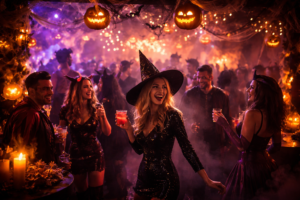
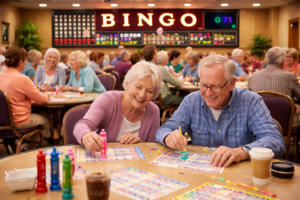
English cuisine like skate and chips, scrumping, scrumpy, collecting hag stones as a kid, English country dancing at school, any form of celebrating Easter, giving Xmas presents, kissing under mistletoe, going carol singing as a kid, celebrating birthdays, being an atheist, eating a Yule Log, saying “touch wood”, betting, buying lottery tickets, or bingo, Halloween parties, tattoos, piercings, and so on and so on. These are all things many of us have done, but which are not practised by people who aren’t English. Let’s expand on that
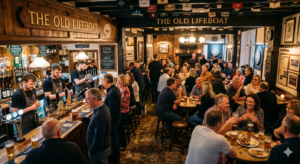
Pub culture (beyond just alcohol) – Not just drinking — but being in a pub at all is discouraged in many Muslim communities, some Sikh communities, some conservative Hindu families and even some evangelical Christian groups, because pubs are associated with alcohol, mixed‑gender socialising, gambling machines, and music.
Secular music and dancing – Beyond school country dancing: nightclubs, school discos, mixed‑gender dance events, live music gigs, playing instruments at home are all restricted in conservative Muslim communities, Haredi/ultra‑Orthodox Jewish communities and even some Christian denominations
Mixed‑gender swimming and sports – This is a big one in English life — school swimming, beach trips, sports clubs etc but restricted in Muslim communities, orthodox Jewish communities and some Hindu communities, often due to modesty rules.

Keeping dogs as pets – This is very common in English culture, but discouraged or forbidden in many Muslim communities (dogs considered ritually impure) and some Hindu families (cultural, not religious). This affects participation in English dog walking culture. dog shows, dog‑friendly pubs and pet‑related socialising
Sleepovers and house parties – While this is a major part of English childhood and teenage culture, it is often forbidden in Muslim families, Hindu families, Sikh families and Orthodox Jewish families. The reasons for this include modesty, safety, and cultural boundaries, and a lack of integration by the parents.
Dating culture – English norms around teenage dating, going to the cinema as a couple, Valentine’s Day, Prom dates and public displays of affection are restricted in Muslim communities, Orthodox Jewish communities, many Hindu and Sikh families and isolationist Christian groups
Drama, theatre, and performing arts – Participating in school plays, Shakespeare performances, drama clubs and dance theatre is discouraged in some Muslim communities (music/dance restrictions)m, some conservative Christian groups and some ultra‑Orthodox Jewish communities.
Outdoor adventure culture – Things like mixed‑gender camping trips, Duke of Edinburgh Award, Scouts/Guides and school residential trips are often restricted in Muslim, Orthodox Jewish, and some South Asian families
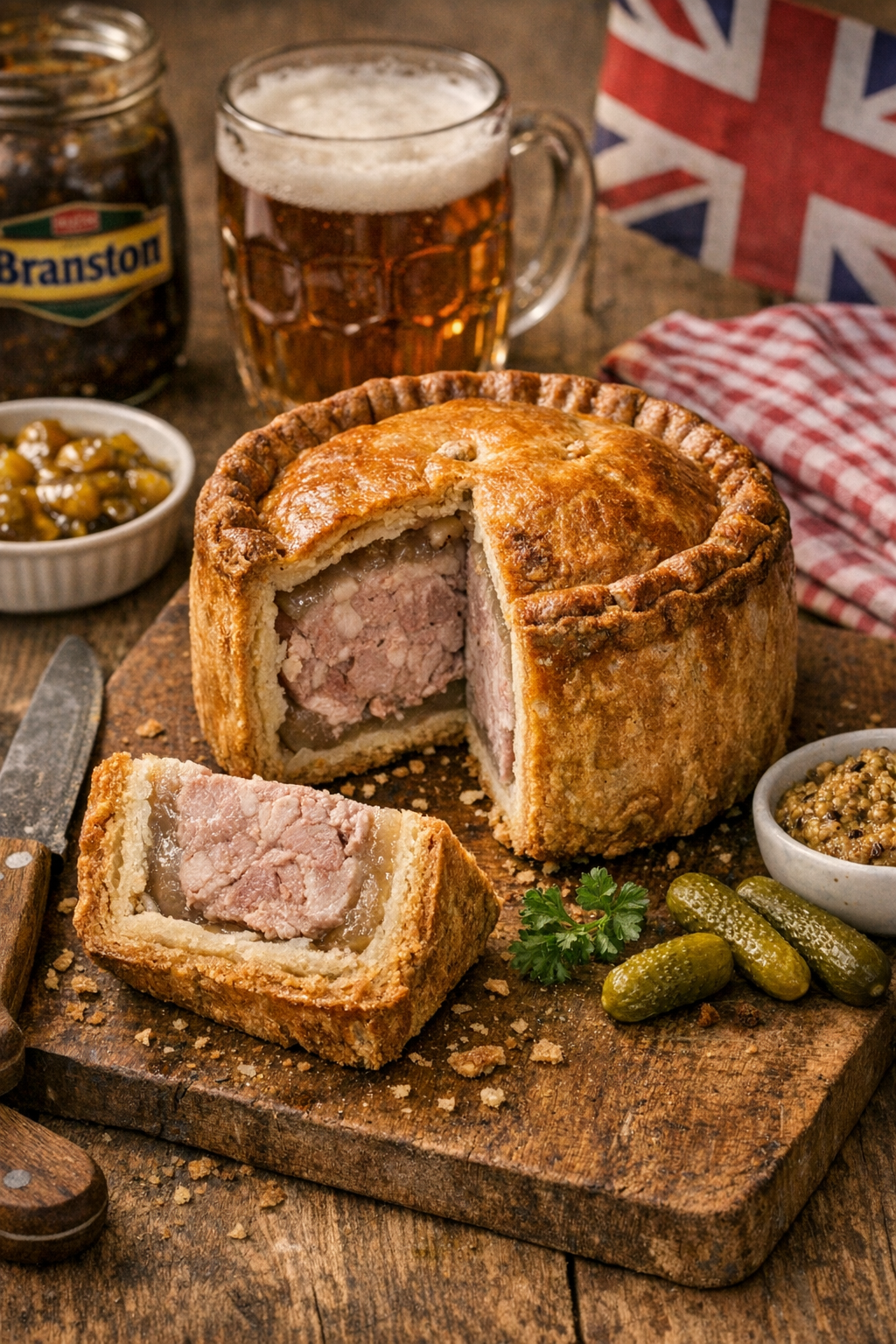
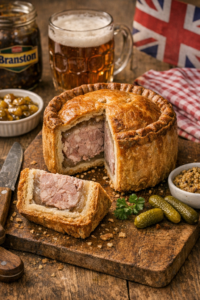
Pork‑based English foods – Beyond “food laws,” this affects cultural participation in full English breakfasts, sausage rolls, pork pies, bacon sandwiches, pub roasts and BBQs, since pork is forbidden to Jews and Muslims. This shapes social integration more than people realise.
English bathing/swimming holiday culture – Such as seaside holidays, mixed‑gender beaches, water parks, swimming lessons without modesty accommodations, since these are restricted in Muslim and Orthodox Jewish communities.
Body‑positive or expressive fashion – English norms around shorts, sleeveless tops, swimwear, festival clothing, hair dyeing and unisex fashion are not generally followed by Muslim, Orthodox Jewish and some Hindu and Sikh families
Bonfire Night – Is discouraged in some Muslim communities (fireworks seen as wasteful or linked to non‑Islamic festivals), some Hindu and Sikh families (because Diwali fireworks already exist), some Christian groups (anti‑pagan sentiment)
Fantasy and magic‑themed culture – English culture is full of Harry Potter, Halloween‑adjacent fantasy, school plays with magic themes, fairy stories and pagan‑influenced folklore. This affects those whose identity is determined by their religion
Moving out at 18 – A major English cultural norm, subject to finances, but discouraged in South Asian families, Middle Eastern families and African families, where multigenerational households are the norm.
How these cultural boundaries affect integration in England today.
Reduced shared experiences – Integration depends heavily on shared rituals — the small, everyday things that make people feel part of the same story.When minority communities avoid things like pubs, mixed‑gender sports, school trips, music/dance events, Christmas/Easter activities, sleepovers, seaside holidays, it means their children and adults miss out on the informal bonding that English people use to form friendships. This doesn’t cause hostility — it causes parallel lives.
Parallel social networks If you don’t: go to pubs, attend parties, join sports clubs, participate in school residentials, date in the same way, or mix genders socially, then your social world naturally becomes inward‑facing. This isn’t intentional segregation — it’s actually structural. People spend time where they are allowed to spend time. The result is fewer cross‑cultural friendships, fewer mixed marriages, fewer shared social spaces, more reliance on community‑specific institutions.

Cultural boundaries become identity boundaries – When a community forbids tattoos, dogs, music, certain foods, certain clothes, certain holidays, it creates visible markers of difference. These markers can be comforting internally, but alienating externally. English culture is unusually “low‑boundary” — it doesn’t demand much. But many minority cultures are “high‑boundary” — they define identity through rules. This asymmetry means English people often don’t notice their own culture, but minority communities often feel they must protect theirs, with the result that ‘integration’ becomes a negotiation, not a blending
Children grow up with different norms of freedom – English childhood is built around sleepovers, birthday parties, Halloween, school trips, mixed‑gender friendships, pets, music, independence at 18. When minority children can’t participate, they often feel “outside” English childhood, different from their peers and torn between two worlds. Some adapt by code‑switching. Some withdraw. Some rebel. Some become cultural bridges. But the gap is real.
Suspicion and misunderstanding grow on both sides – When people don’t share spaces, they fill the gaps with assumptions. English people may think “They don’t want to mix.” or “They’re rejecting our culture.” Minority communities may think “English culture is morally lax.” or “Our children will lose their values.” Both sides are right.
Integration becomes geographic – Where cultural rules are strict, people tend to cluster in areas where their norms are supported, their food is available, their children can socialise safely and their religious institutions are nearby. This creates strong community cohesion, but also reduced mixing. England ends up with racialised silos and ghettos
English culture adapts, sometimes quietly – Over time, English institutions adjust to accommodate minority rules with women‑only swimming hours, halal/kosher food in schools, no‑alcohol events, modesty‑friendly sports options, alternative holiday activities. This can improve inclusion, but it also means English cultural norms shift and shared spaces become negotiated spaces. Integration becomes a one‑way adaptation, not assimilation. Go look at the Easter Eggs. Half of them no longer use the word ‘Easter” on the packaging.