Being British
British no longer means English, Scottish, Irish or Welsh. It has become a purely civic identity, reinforced by the invention of “British Values” and by an ideology that believes in mass immigration. It promotes the view that diversity means strength, not division, and that the Windrush generation rebuilt Britain after the war. That is the much parroted state and establishment vision.
GB or UK? The Union of Scotland and England is called Great Britain. The union of Great Britain and Northern Ireland is called the UK, or United Kingdom. Should England, Scotland or Northern Ireland ever leave this union, then the UK ceases to exist.
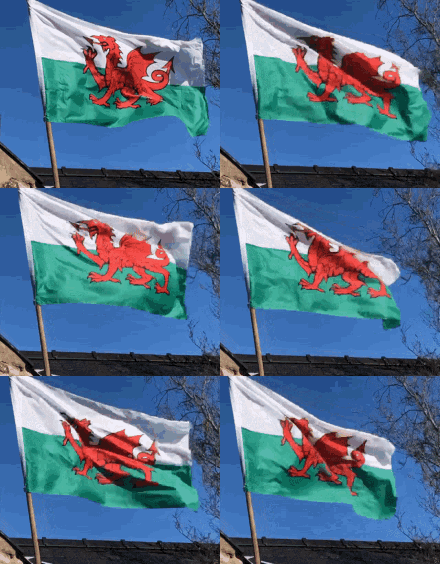

Who wants to leave? That having been said, neither Britishness, nor the United Kingdom of Great Britain and Northern Ireland are that popular. The governments of Scotland, Wales and Northern Ireland are all led by nationalist parties, and don’t want to continue in the Union:
About 50% of Scottish voters want independence.
About 38% of Northern Ireland voters want independence or re-unification.
About 25% of Welsh voters want independence.
About 50% of those who identified as English in the 2021 Census identified as English only, and not British.
A generational gap exists across the board. Younger White individuals in Scotland and Wales are significantly more likely to identify only as Scottish or Welsh compared to their grandparents, who still hold onto a lingering post-war Britishness. In Northern Ireland the old national allegiances are dying away. Only in England are the youth becoming less English, convinced by the media that being English is associated with football hooliganism, racism and Fascism, rather than Shakespeare, Chaucer, the Countryside. That having been said, they’re none too proud of being British either.
Self-loathing. Eight per cent of the country dislike the White British more than any other ethnic group in a 2021 Poll commissioned by Birmingham University. This 8% come from within the White British ethnic group themselves. Let’s now examine England’s ethnic groups and see how they feel about being British.
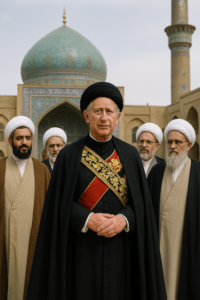
The Muslims. 70% of British Muslims identify “first and foremost” as Muslim, rather than British. This figure rises to 85% for the 18 – 24 year old cohort – 2025 study. They feel less need to adopt Britishness than their parents and grandparents may have done.
Black People. In a 2023 study, 39% of Black people in the UK indicated a desire to live elsewhere. The research found that the number of black Britons who understand themselves as British (81%) was significantly higher than the number who consider themselves “proud to be British” (49%). Support for being British is muted there as well.